
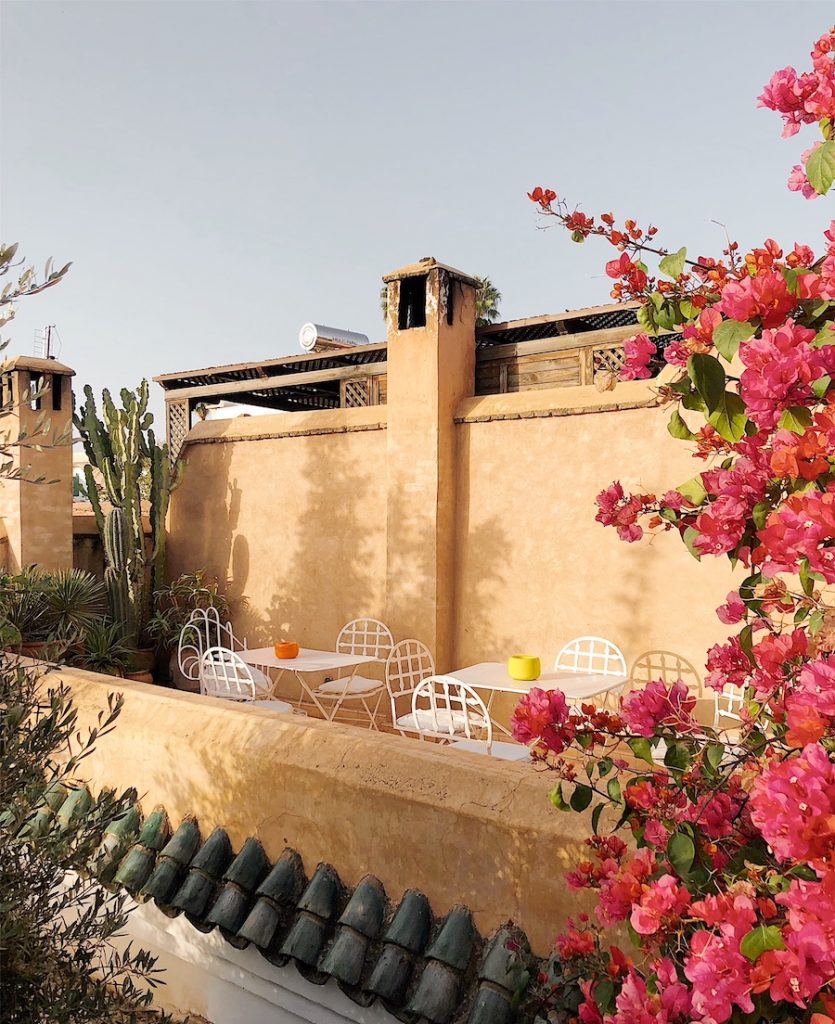
Marrakech in winter is the city at its most seductive. The light is honey-soft, the souks less frenetic, and the distant High Atlas covered in snow. Riad mornings start crisp; but by 11am, it’s t-shirt weather.
If you’ve visited in summer, you’ll know how intense it can be. In July, temperatures soar past 40°C, making a midday visit to the Bahia Palace a slog. Come winter, it’s a different story. You can wander the medina all day without ducking for shade once. As the Christmas crowds taper off, the city relaxes its shoulders.
I’ve been to Marrakech three times, most recently in early March, as winter was giving way to spring. And it was perfection. A word of honesty, though: Marrakech isn’t hot in winter. The afternoons are pleasant and warm, but the nights are properly cold, which changes how you pack, where you stay and how you shape your days. Here are some tips on planning a trip to Marrakech in winter you might find useful.
When to go
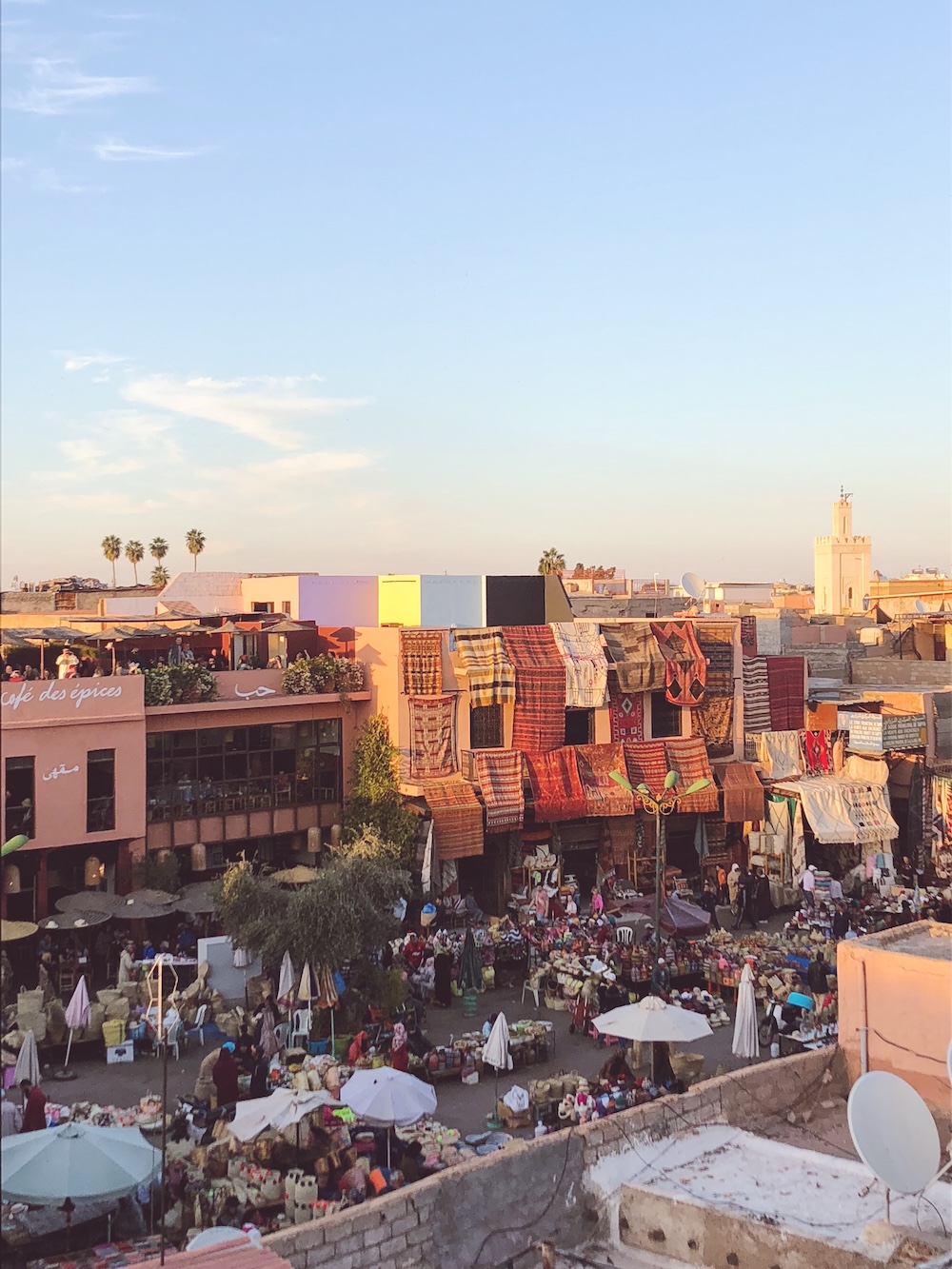
November is the warmest of the winter months, with afternoons in the low twenties and evenings mild enough for dinner outdoors with a light layer. This year it also brings the Marrakech International Film Festival, when free open-air screenings light up Jemaa el-Fna. Hotels in Hivernage and Gueliz fill fast that week.
December is the darkest and coolest month, with around ten hours of daylight. Christmas passes quietly in a Muslim country, with no markets or lights, but the holidays bring a rush of Europeans escaping the cold, so the best riads and tables are booked well ahead.
January is crisp, clear and, once the holiday crowds have gone, beautifully calm. It’s the month for sharp light, empty lanes and snow on the Atlas, provided you pack properly for the evenings.
February warms up again, with almond blossom in the valleys below the Atlas.
March tips into spring, with longer days and more visitors. The 1-54 Contemporary African Art Fair at La Mamounia.
One thing to check whatever month you choose: Ramadan. It moves around 11 days earlier each year, and for the next few years it falls in the winter months. It can be a rewarding time to visit if you plan around it. Many cafés and smaller restaurants close by day and the souks open later, but the city comes alive after iftar, the sunset meal that breaks the fast. Riads and hotels serve guests as normal; be discreet about eating, drinking and smoking in the street during daylight, and expect alcohol to be harder to find.
The weather: warm days, cold nights
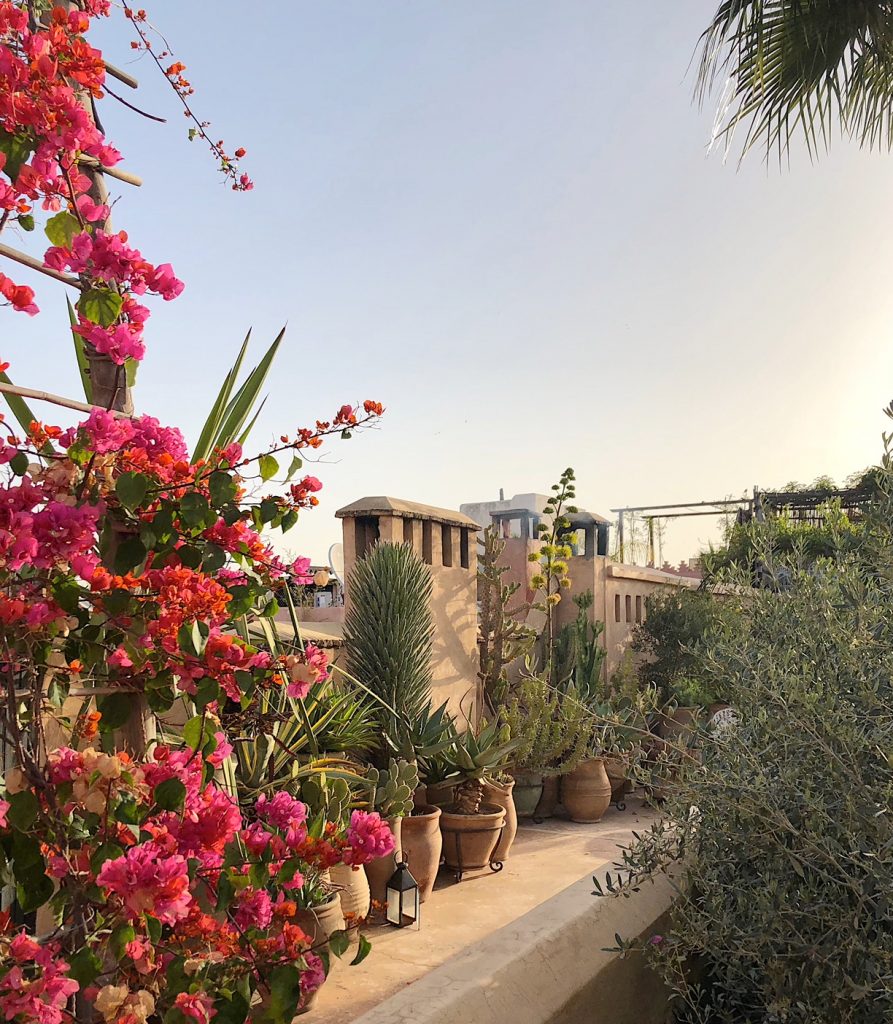
Between November and February, afternoons hover between 19°C and 23°C, the sun shines for around seven hours a day, and rain is a rarity, with three or four wet days a month on average. It’s t-shirt weather in a sheltered courtyard, and ideal for walking.
Then the sun drops behind the walls and the temperature follows it. Nights average 6–11°C and can edge towards freezing in January; you can be on a roof terrace at 5pm in a t-shirt and reaching for your coat an hour later. Up in the Atlas it’s colder still, with snow on the peaks and, at times, on the passes.
Riads, built to keep cool, hold the night’s chill in their tiled floors, so the first hour of the day can feel brisk indoors even under a blue sky.
Where to stay
In winter, the room matters more than the pool. Riads were built to stay cool, which is perfect in July and less so on a January night, so before I book I ask four questions. Is there proper heating, not just air conditioning? Is there a fireplace in the room or the salon? Is the plunge pool heated, or is there a hammam? And does the roof terrace catch the morning sun?
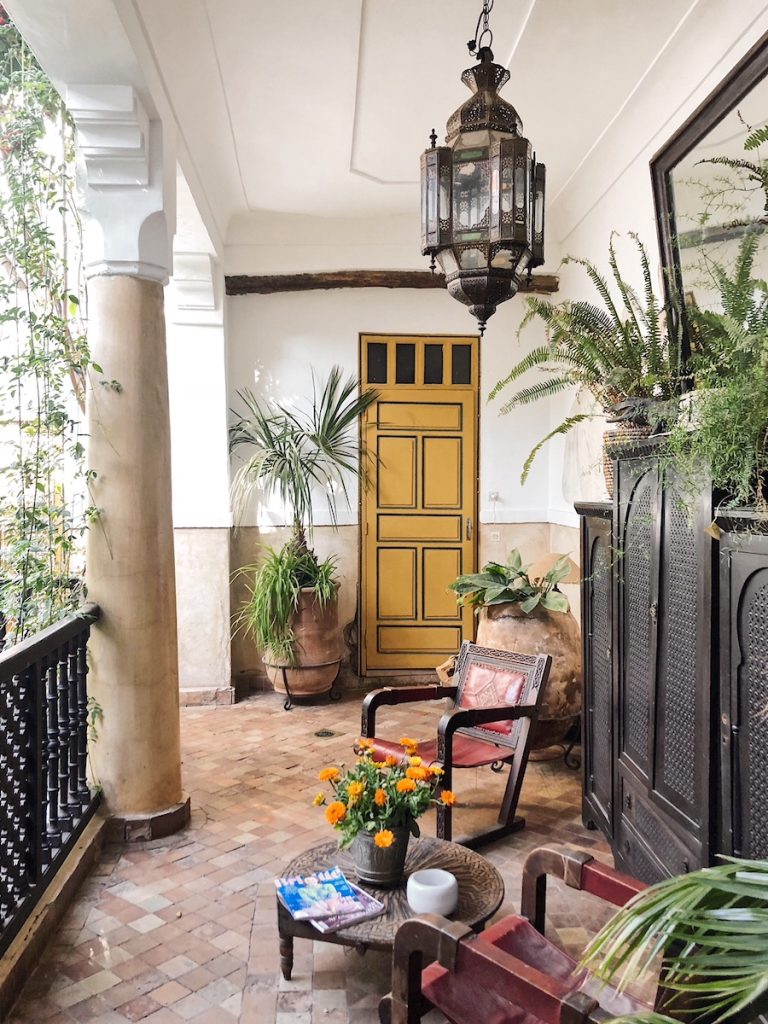
I stayed at Dar Rbaa Laroub in Mouassine. My room was cosy, with tiled floors, thick blankets piled on the bed and a little fireplace that staff light each evening in winter, so the room was toasty when we got back from dinner.
There’s a crackling fire in the main living room that connects the two patios, too. By day, the roof terrace was a sun trap, the place I’d head with my mint tea the moment the courtyard turned chilly.
Another small, independent riad in Marrakech I’d choose for winter would be Dar Housnia: it has open fires in its salons, a traditional hammam and roof terraces looking out to the snowy Atlas. At Riad Jardin Secret, I’d book the junior suite or the suite, which both have fireplaces.
What to do
Almost everything that makes Marrakech special is better without the summer heat.
Wander the craft souks
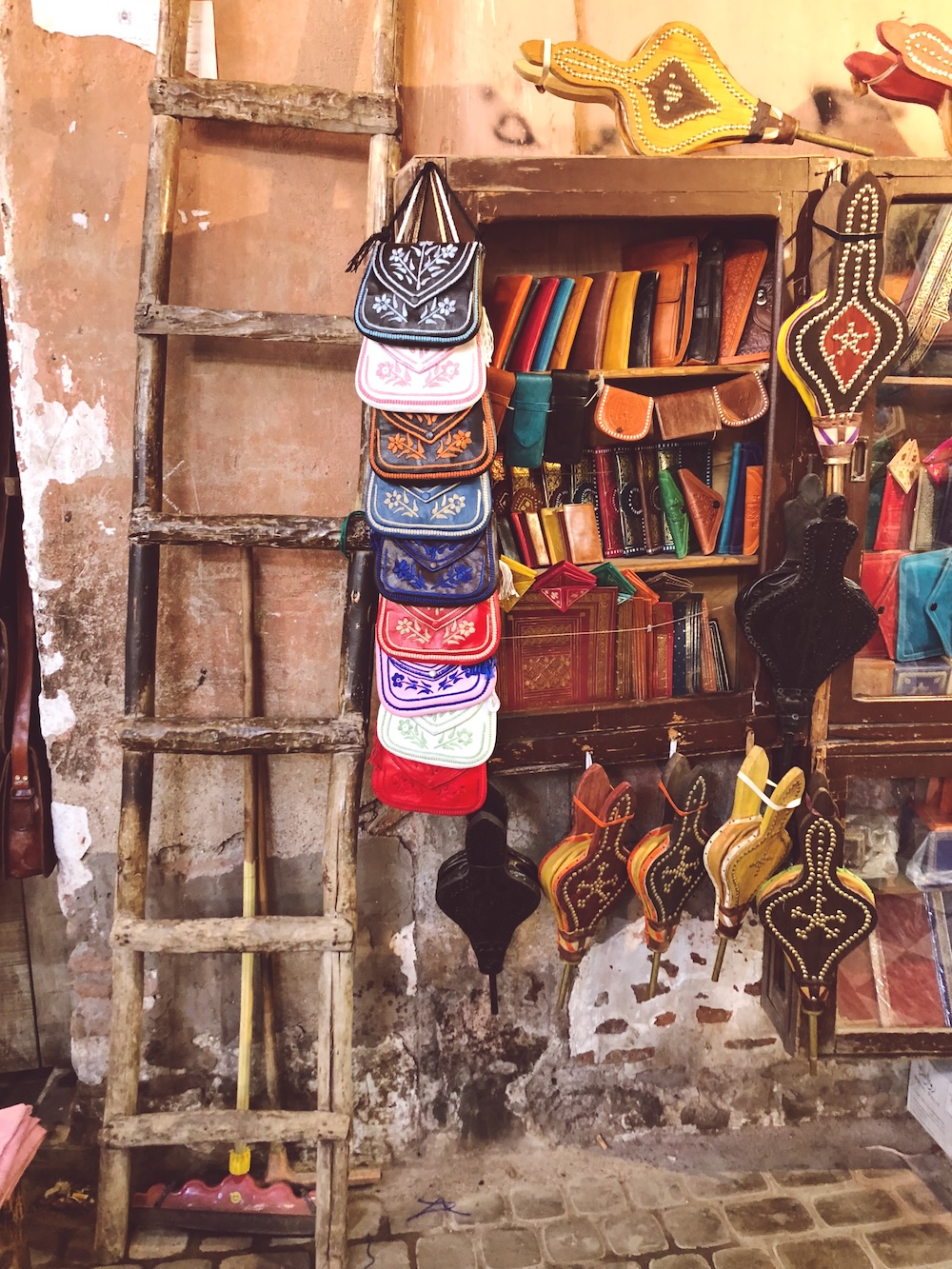
I wait until the sun has warmed the lanes, then slip past the main thoroughfare of Souk Semmarine into the quieter craft souks around it. In Souk Haddadine, blacksmiths hammer out lanterns in showers of sparks; in the dyers’ souk, skeins of saffron, indigo and crimson wool hang drying overhead. The pace is gentler here, the prices fairer, and no one is in a hurry.
Take tea in the sun
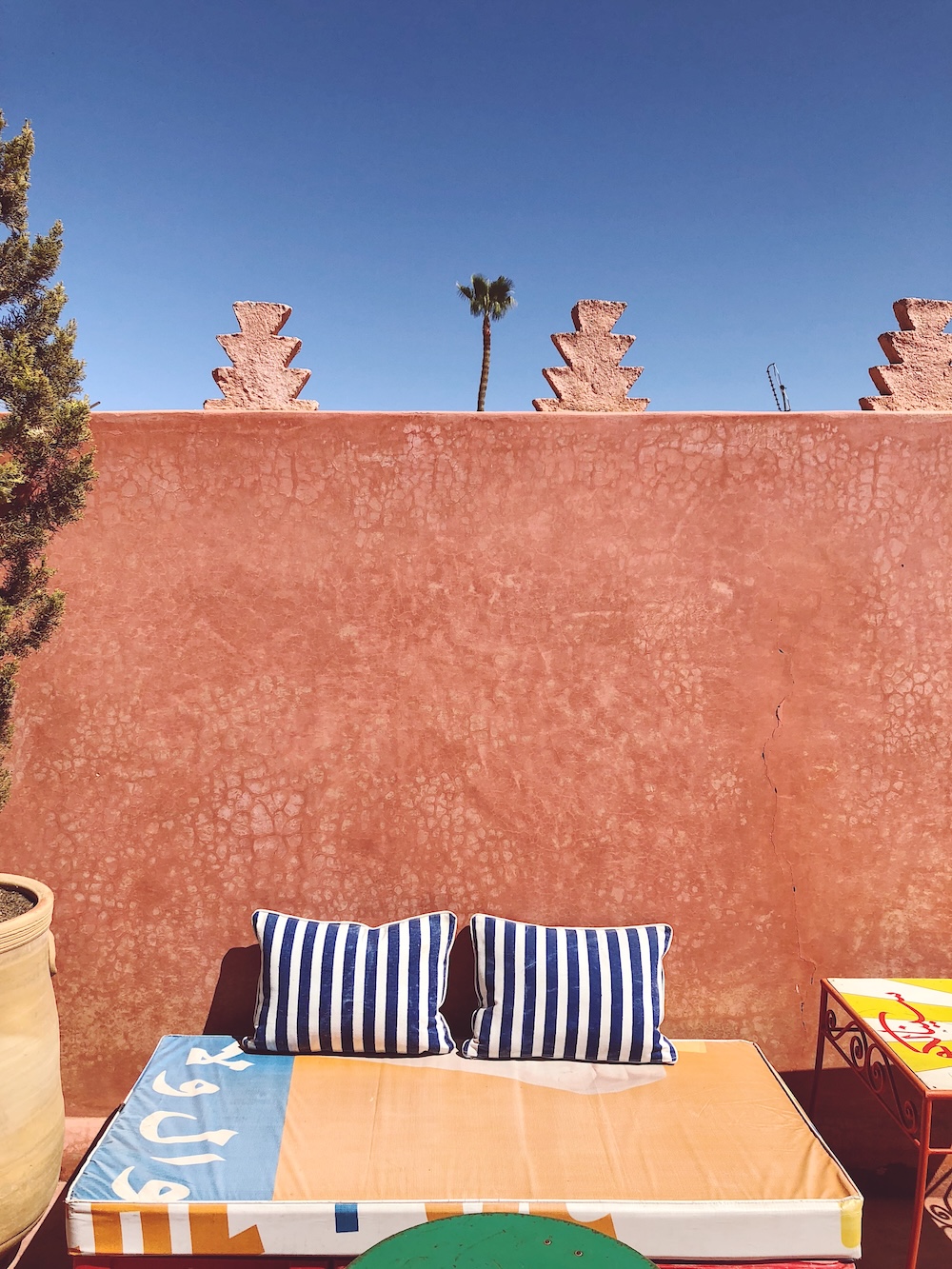
Winter is the one season I seek out the midday sun rather than hide from it. Riad Yima, the gallery, shop and tea terrace of artist Hassan Hajjaj, is a unique place in Marrakech for soaking it up: moments from Jemaa el-Fna yet a world away, with Hajjaj’s colour-saturated portraits on the walls and mint tea poured from a height.
Surrender to a hammam
After a day in the souks, I can’t think of a better way to unwind than with a tradtional hammam session. I like Le Bain Bleu, a spa-hammam in a converted riad in Mouassine, a few lanes from Dar Rbaa Laroub. It takes its name from the blue mosaic tiles that line its steam rooms, and the hammams are private, so it’s an easy first-timer’s introduction to the ritual: steam, black soap and a vigorous scrub with a kessa glove. Afterwards, there’s mint tea and something sweet in a quiet patio, then I walk home and go straight to bed.
See the palaces and gardens
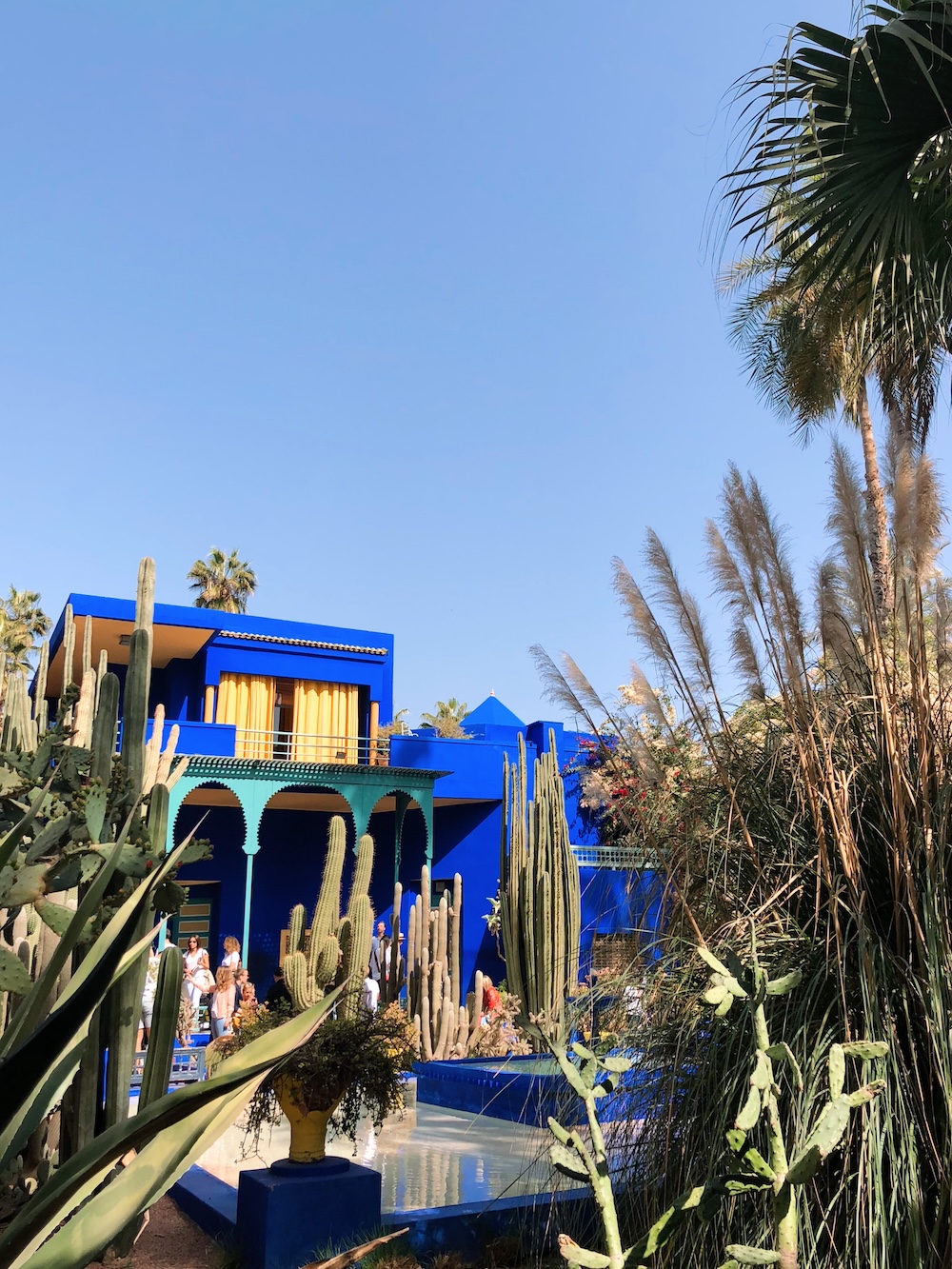
Winter means you could visit the palaces at midday without wilting, but that’s also when the tour groups pour in. So I still get to the Bahia Palace at opening time, when its painted cedar ceilings and zellij-tiled courtyards are almost empty. The courtyards are cool first thing in winter, so I bring a layer. For Jardin Majorelle, I arrive at opening time, before the queues, when the low winter light makes the cobalt walls glow.
For something quieter, I take a taxi out to Cactus Thiemann, the family-run nursery that supplies cacti to Majorelle. On a bright morning, with rows of spiny giants against the Atlas, it’s one of my favourite places near the city.
Watch the sun set over Jemaa el-Fna
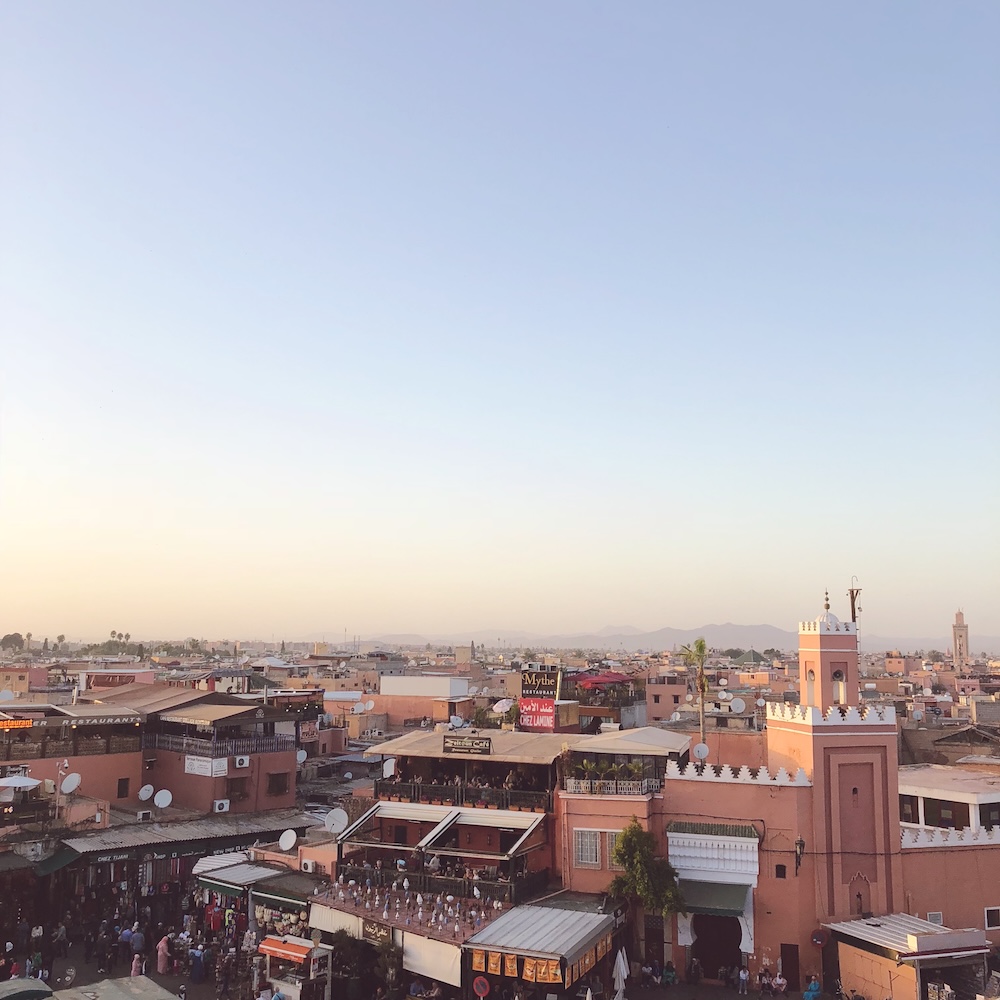
In December, the sun sets around 5.30pm, and I like to watch the show over a drink on a roof terrace. One of my favourites is Café de France, the oldest right on Jemaa el-Fna, with one of the best views of the action, as the smoke starts to rise from the food stalls below. Drinks come at tourist prices though, which is hard to avoid up here, but it’s worth it just the once.
For something calmer, I love Kosy Bar on Place des Ferblantiers, on the edge of the Mellah. Its roof terrace looks straight across to the walls of El Badi Palace, where dozens of storks nest and glide past at eye level as the sun goes down.
Beyond the city
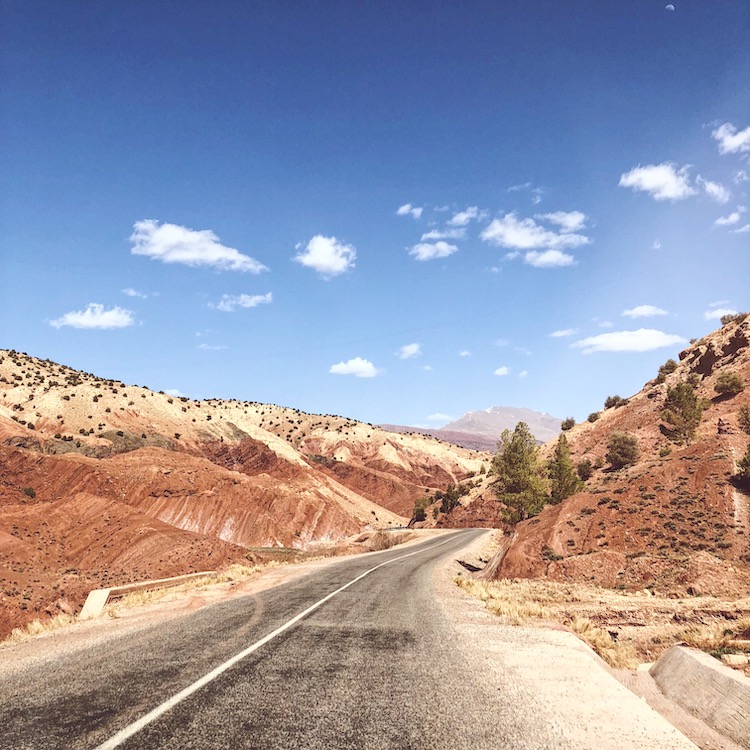
Once you’ve been in Marrakech a few days, however much you fall under its speel, there comes a time when you need to escape and head for the hills. Winter is when the road trips in Morocco come into their own.
Into the snowy Atlas
On a clear winter morning, the High Atlas looks close enough to touch from the city’s rooftops. Driving into it is better still. My 24 Hours in the Atlas Mountains route climbs over the Tizi n’Tichka pass to the crumbling Kasbah Telouet and the earthen towers of Aït Benhaddou. Snow can close the pass, so check conditions the day before and build in time.
On the way back, stop at the abandoned Gas Haven film set, far more pleasant to explore in winter sun than summer heat.
Where to eat
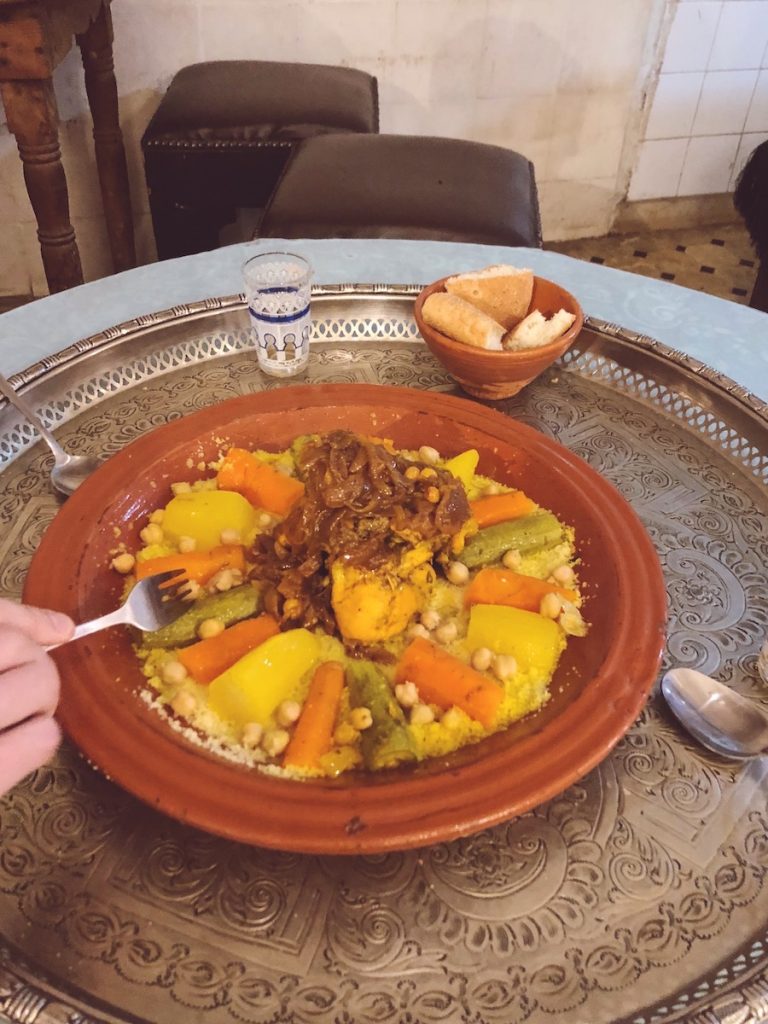
In winter I love ordering harira, the spiced lentil and chickpea soup that also breaks the fast during Ramadan, and tanjia, the Marrakech speciality of beef cooked for hours in a clay urn buried in the embers of a hammam fire. Friday is couscous day, the traditional family lunch after midday prayers, and many restaurants only serve it then. And mint tea is as much a hand-warmer as a drink.
Roof terraces are glorious at lunch but cool quickly after dark, so in the evening book a table indoors or by the heaters.
Naima, a tiny indoor restaurant in the souks run by two women, served me the most generous couscous of the trip, a warm refuge on a cold evening. For a change of scene, I take a taxi out of the medina to +61 in Gueliz, a small, Australian-run restaurant where the owner greeted us like old friends. We sat inside, away from the evening chill, and I ordered the prawn and burrata tortellini, saving room for a lamington, the Australian classic of light sponge dipped in chocolate and rolled in coconut.
Gueliz is worth a daytime trip too: for lunch, I head to Amal, a not-for-profit restaurant that trains women from disadvantaged backgrounds as cooks. It’s set in a villa, with a shaded garden for sunny days and a colourful dining room inside when it’s chilly.
Things to know before you go
- Pack for two seasons in one day: a warm coat for evenings, fine knitwear to layer over T-shirts, and a generous scarf for chilly nights and covering up.
- Dress with respect: loose trousers and midi or maxi skirts, with shoulders and knees covered in the medina.
- Wear flat shoes with grip. The lanes are uneven and can be slick after rain.
- Don’t skip the sunglasses and SPF. The midday sun is still strong.
- Ask about heating before you book. Never assume a riad room is heated.
- Plan around the light. With around ten hours of daylight in December and January, save the sights for late morning to mid-afternoon.
- Book Christmas and New Year early. It’s the busiest stretch of the season.
- Mind the clocks. Morocco is on GMT, so in winter it’s on the same time as the UK.
- Getting there: I flew from London Gatwick which takes around three and a half hours.
If I were going this winter
I’d go in early February, once the holiday crowds have gone and the almond blossom is starting to show, checking the Ramadan dates first. I’d return to Dar Rbaa Laroub for that little fire in my room, spend my mornings in the craft souks and my afternoons on the roof terrace with a pot of mint tea, and finish the trip with a night in the snowy Atlas. The one thing I wouldn’t miss is a bright morning among the cacti at Cactus Thiemann. And I’d book a table indoors somewhere authentic for dinner.
Thanks for reading! If you enjoyed this story, would you consider buying me a coffee?
You might also like...
 7 Secret Highlights of a Trip to Marrakech
 My Secret Marrakech Riad (With an Epic Roof Terrace!)
 5 Stylish Independent Riads in Marrakech To Call Home
How to Spend a Week in Marrakech: from Romantic Rooftops to Majestic Mountains
5 Stylish Independent Riads in Marrakech To Call Home
How to Spend a Week in Marrakech: from Romantic Rooftops to Majestic Mountains
 Quick Moroccan Road Trip: 24 Hours in the Atlas Mountains
 I’ve Just Had Breakfast in 20 Countries, and You?